


The CLARIN Annual Conference took place in Vienna from September 30 till October 2. 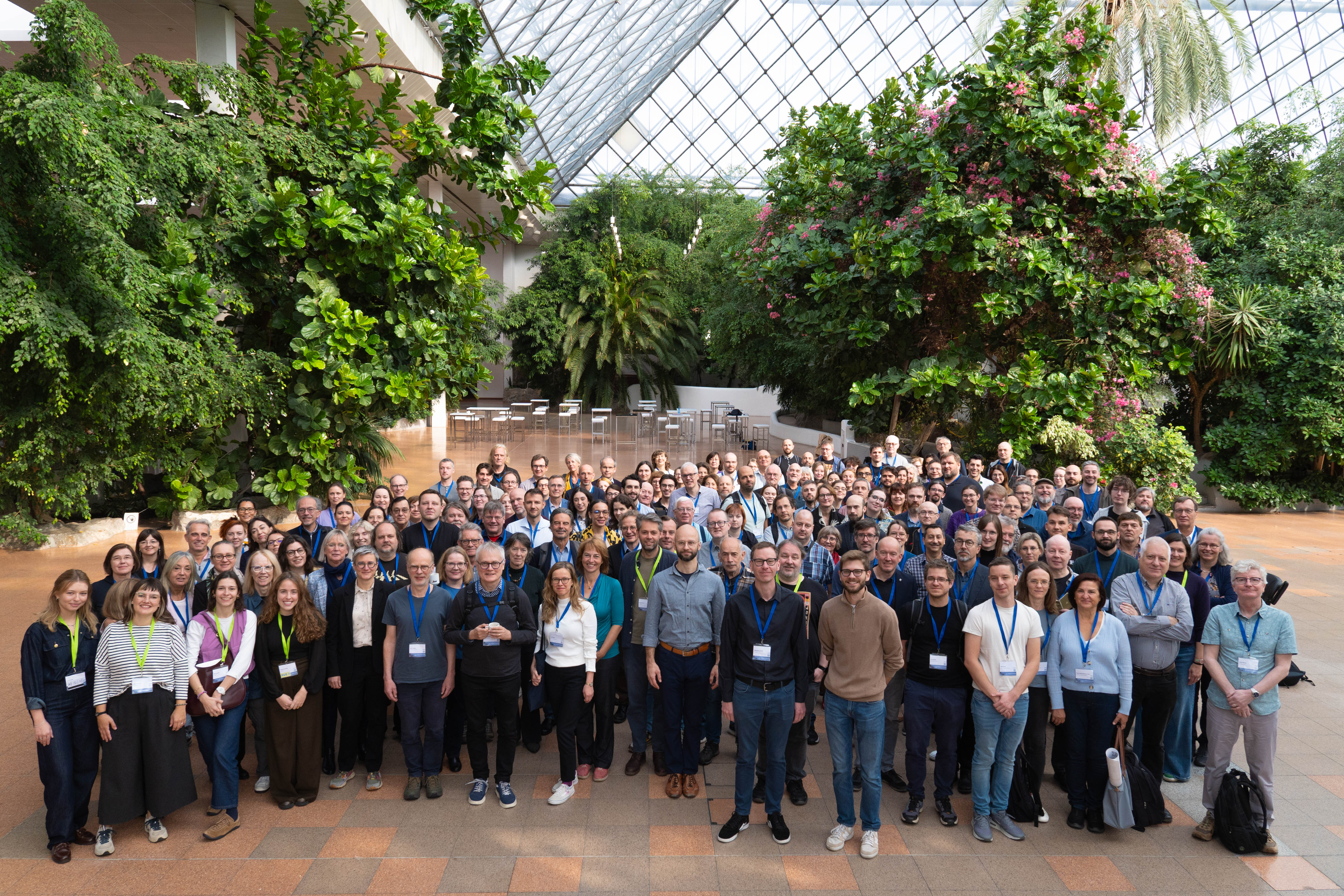
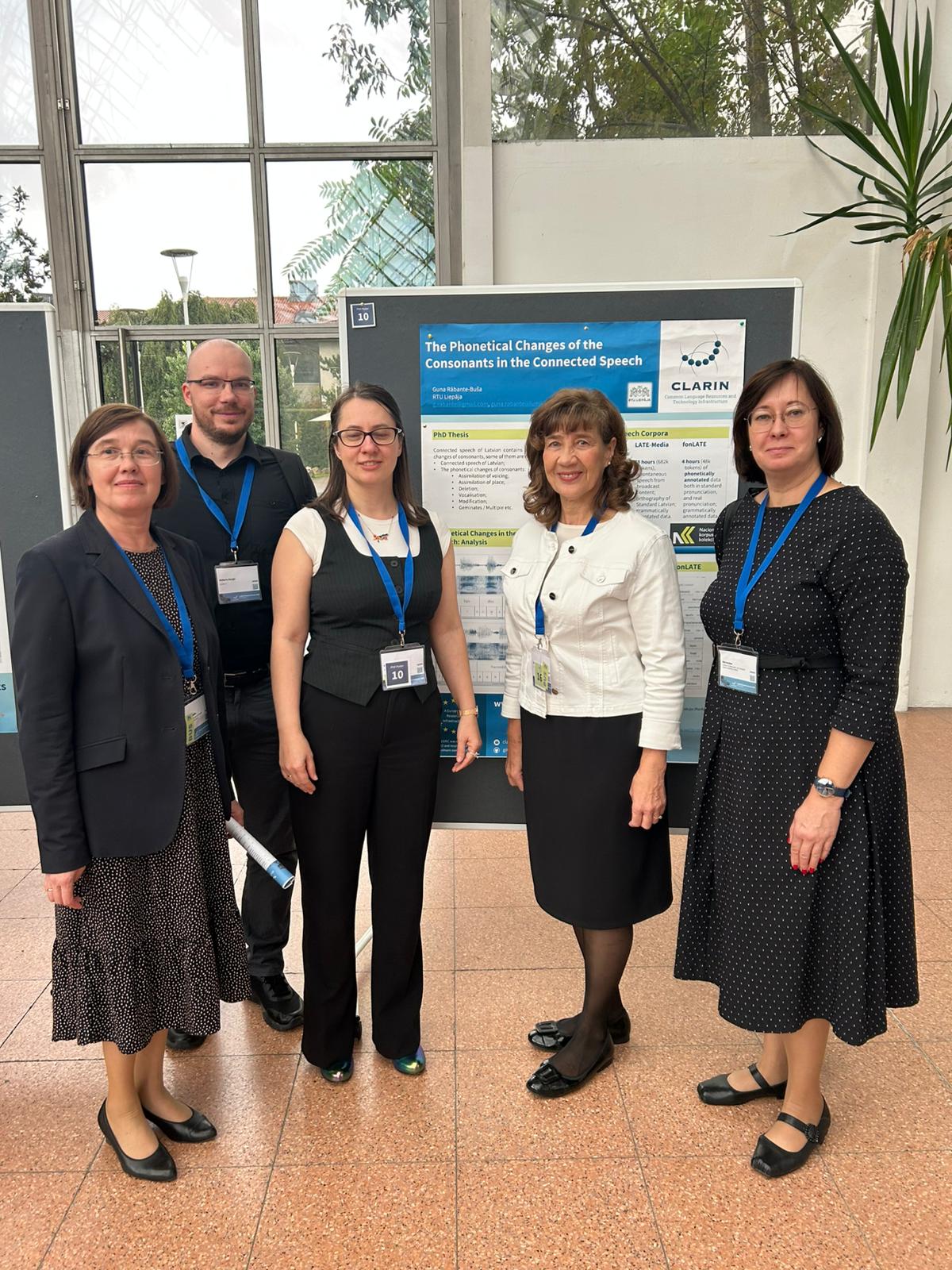
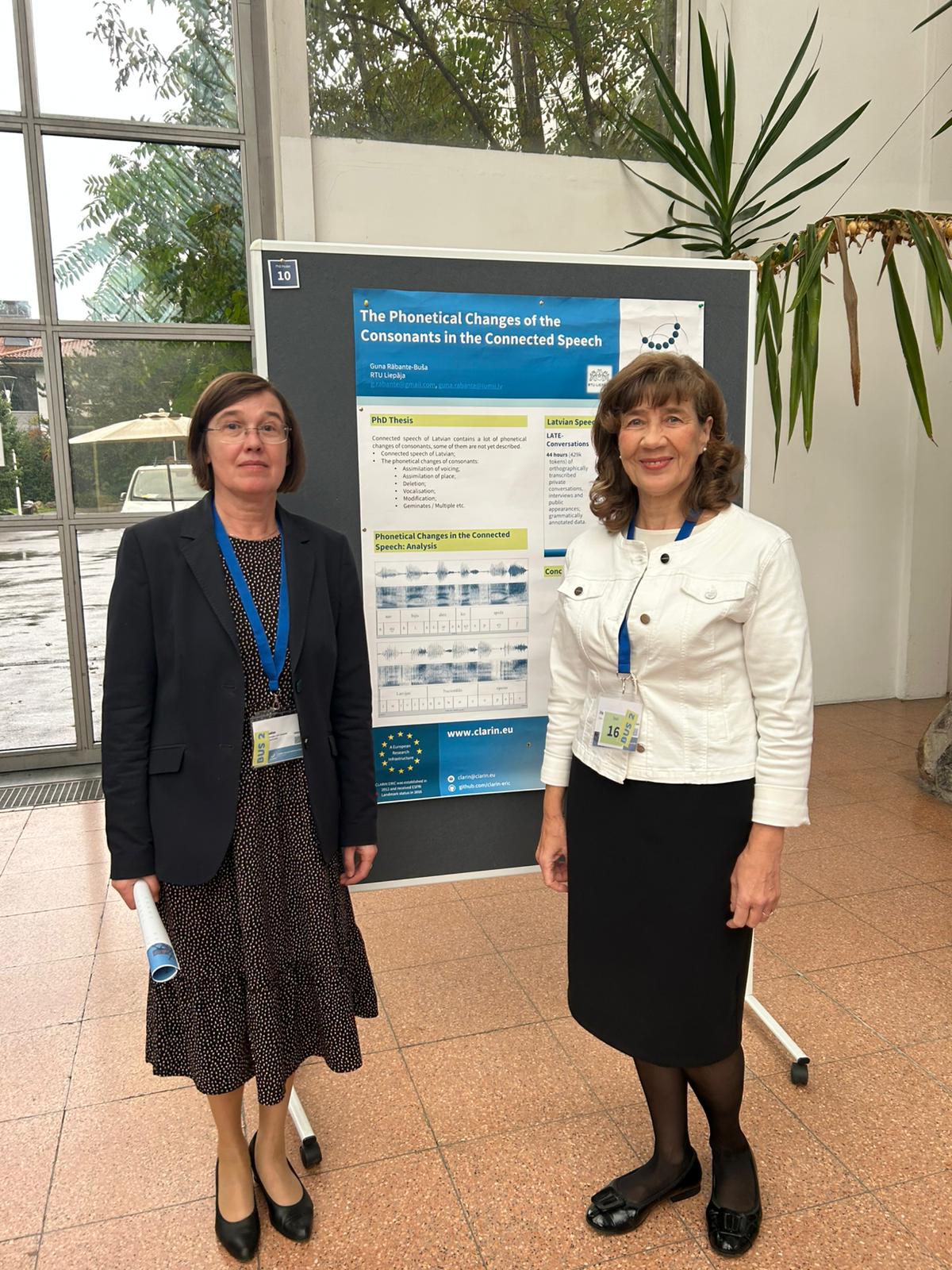
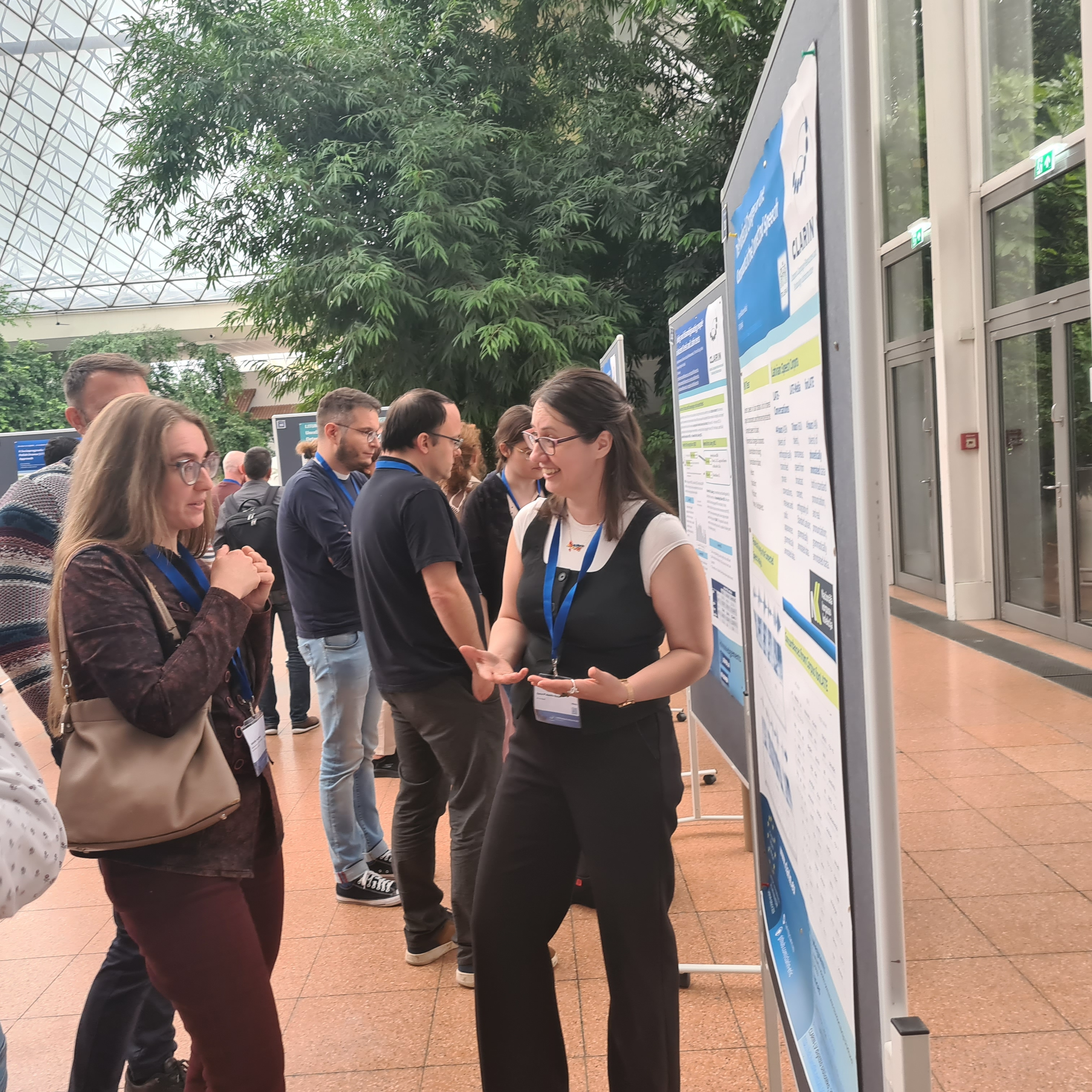
The CLARIN Annual Conference is the main annual event for those working on the construction and operation of CLARIN across Europe, as well as for representatives of the communities of use in the humanities and social sciences. This year conference focused on language technologies in the age of artificial intelligence. At the CLARIN Bazaar session associate professor Zigrīda Vinčela from the Faculty of Humanities at the University of Latvia introduced to the use of CLARIN tools for the extraction of linguistic expression of identity from the works of Latvian diaspora writers (see poster). Researchers from the Institute of Mathematics and Computer Science at the University of Latvia presented speech resources available from the korpuss.lv and CLARIN-LV repository and introduced to the LATE platform for transcribing speech data (see poster). In PhD poster session, doctoral students from the CLARIN consortium countries presented their research. Latvia in this PhD session was represented in this session by RTU Liepāja doctoral student Guna-Rābante Buša with a poster presentation on the phonetical changes of the consonants in the connected speech.
 .
.  .
. 
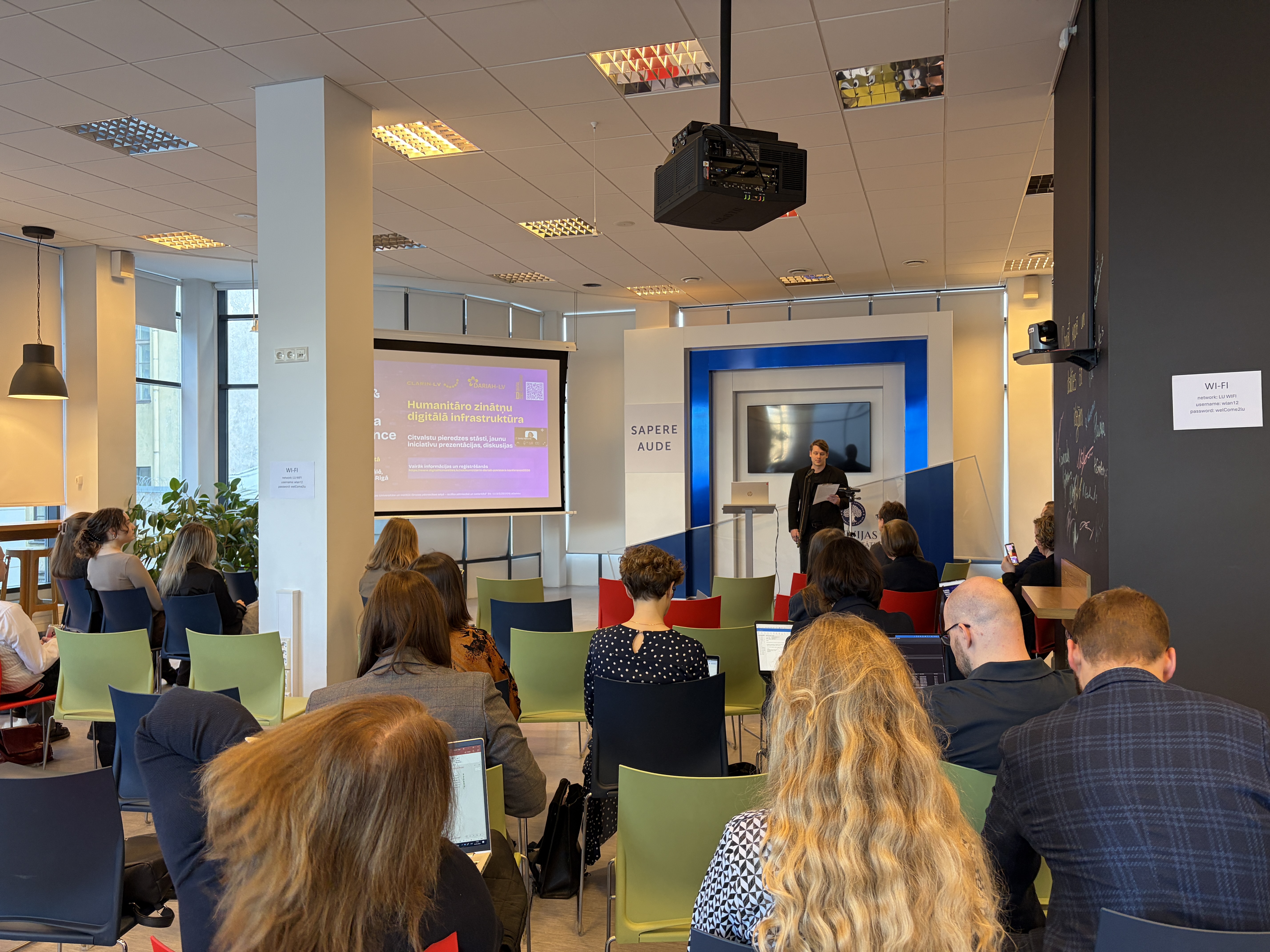
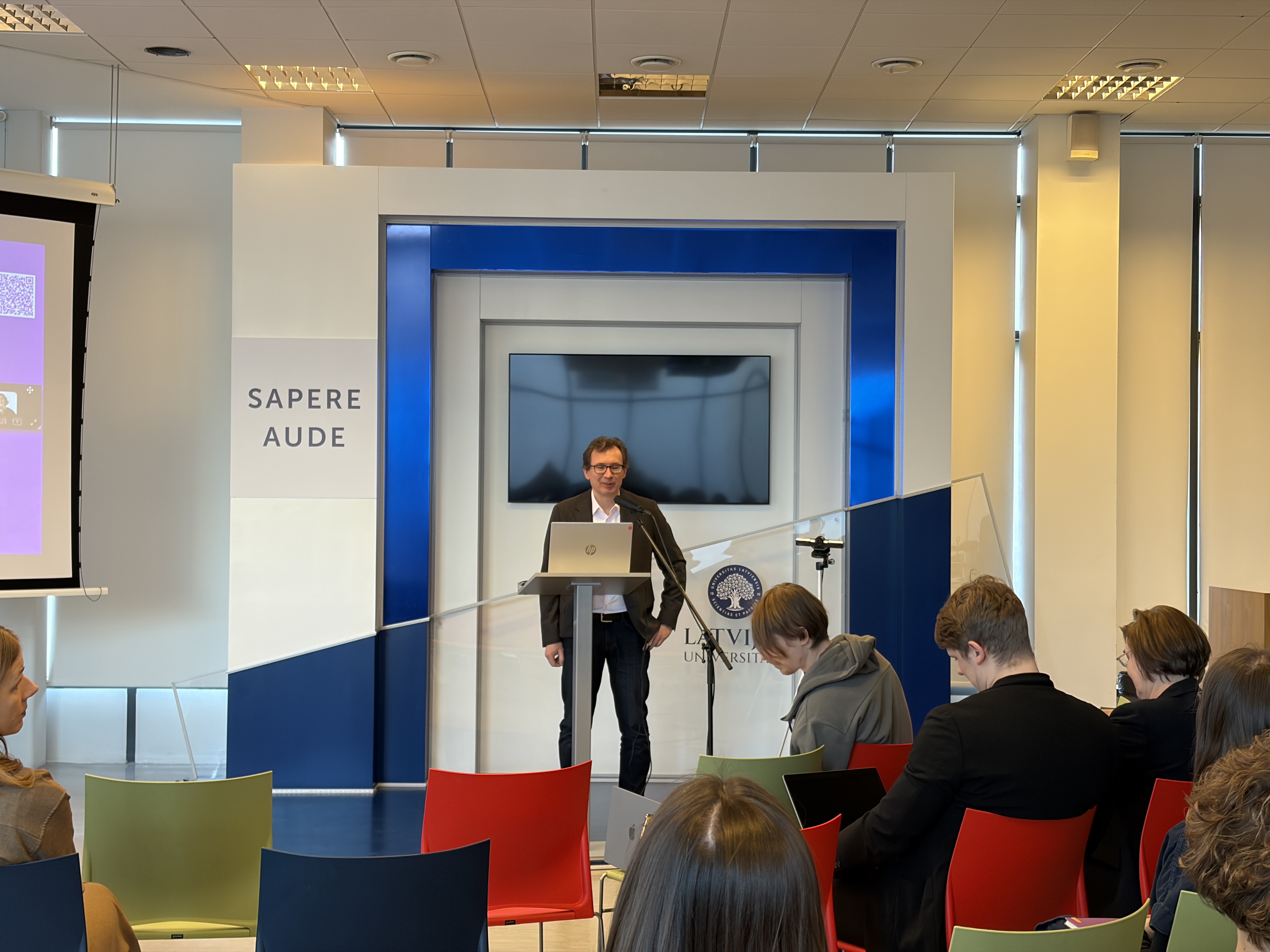
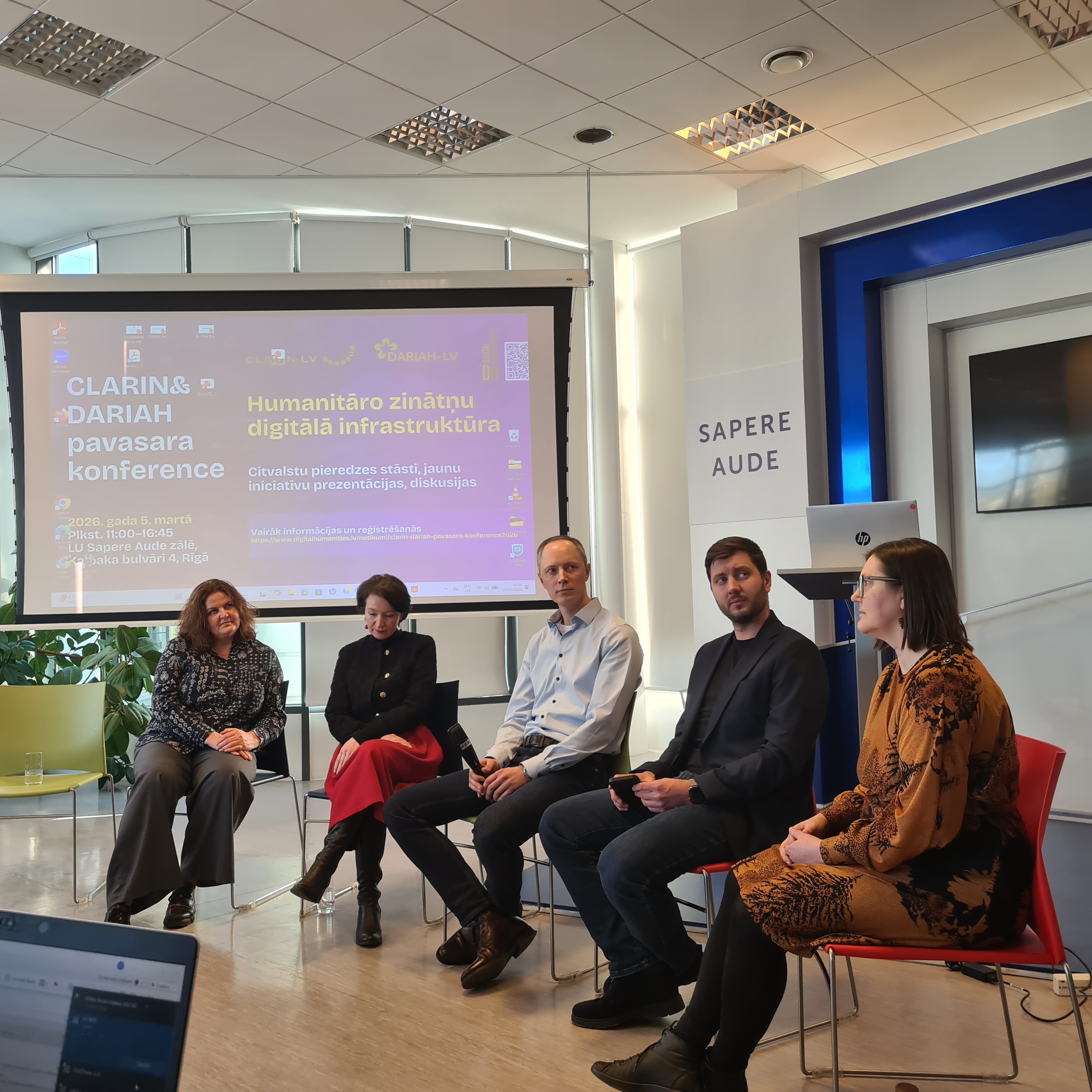
On March 5, 2026, the CLARIN&DARIAH Spring Conference took place at the University of Latvia, bringing together more than sixty researchers and practitioners from the digital humanities, language technology, memory institutions and research data infrastructures. 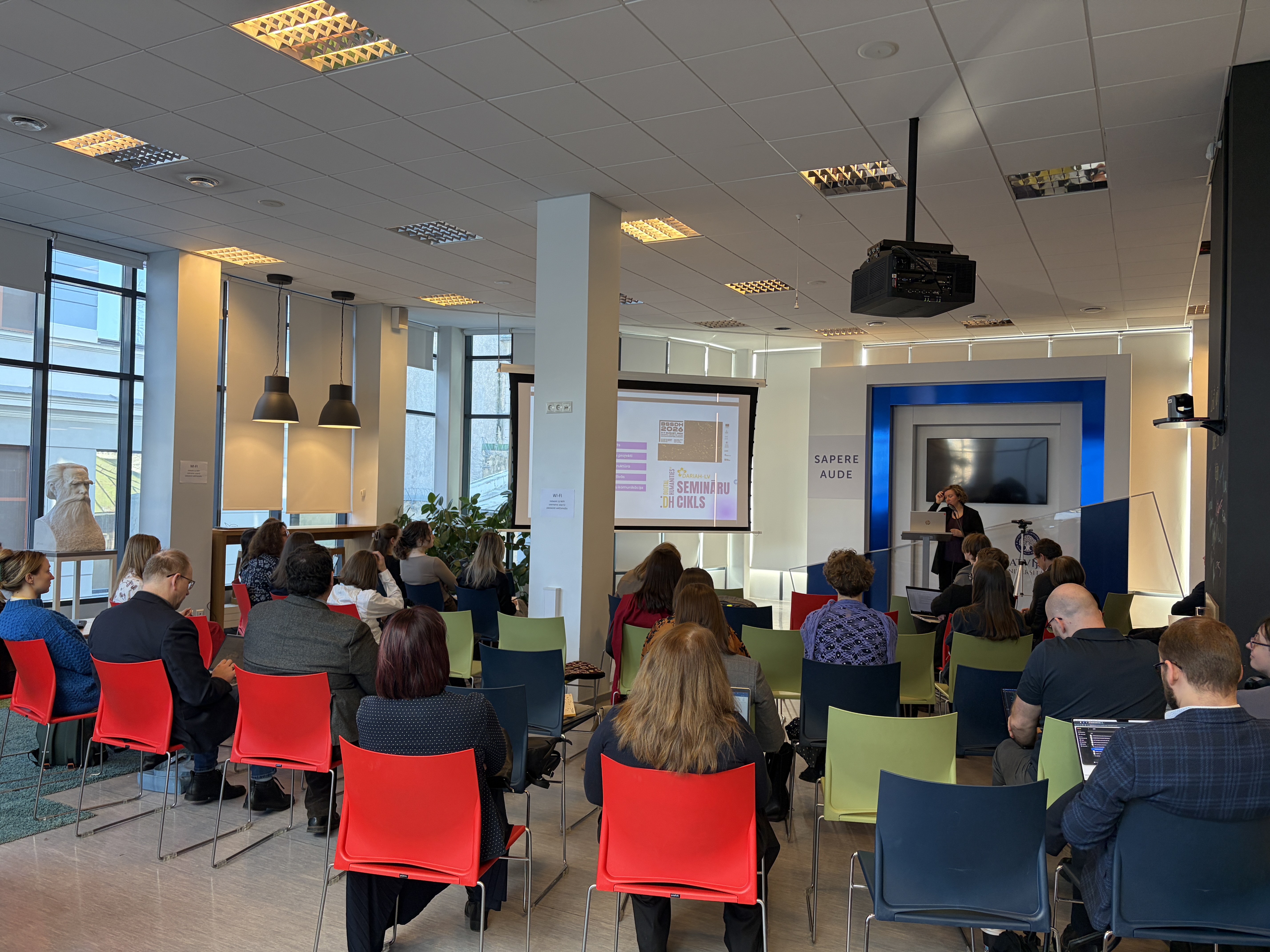
A central theme running through the programme was what researchers, institutions, and society expect from research infrastructures — and how artificial intelligence (AI) is reshaping humanities research and work with language resources. In the morning session, associate professor Andrius Utka from the Vytautas Magnus University introduced the CLARIN-LT research infrastructure and recent Lithuanian language resources developed for the AI era, emphasising that high-quality language data and reliable access to it are becoming critical for both the development of language technologies and research. Ahmad Kamal from Linnaeus University in Sweden then provided an insight into the activities of DARIAH-SE, offering the perspectives of the Swedish national node of DARIAH.
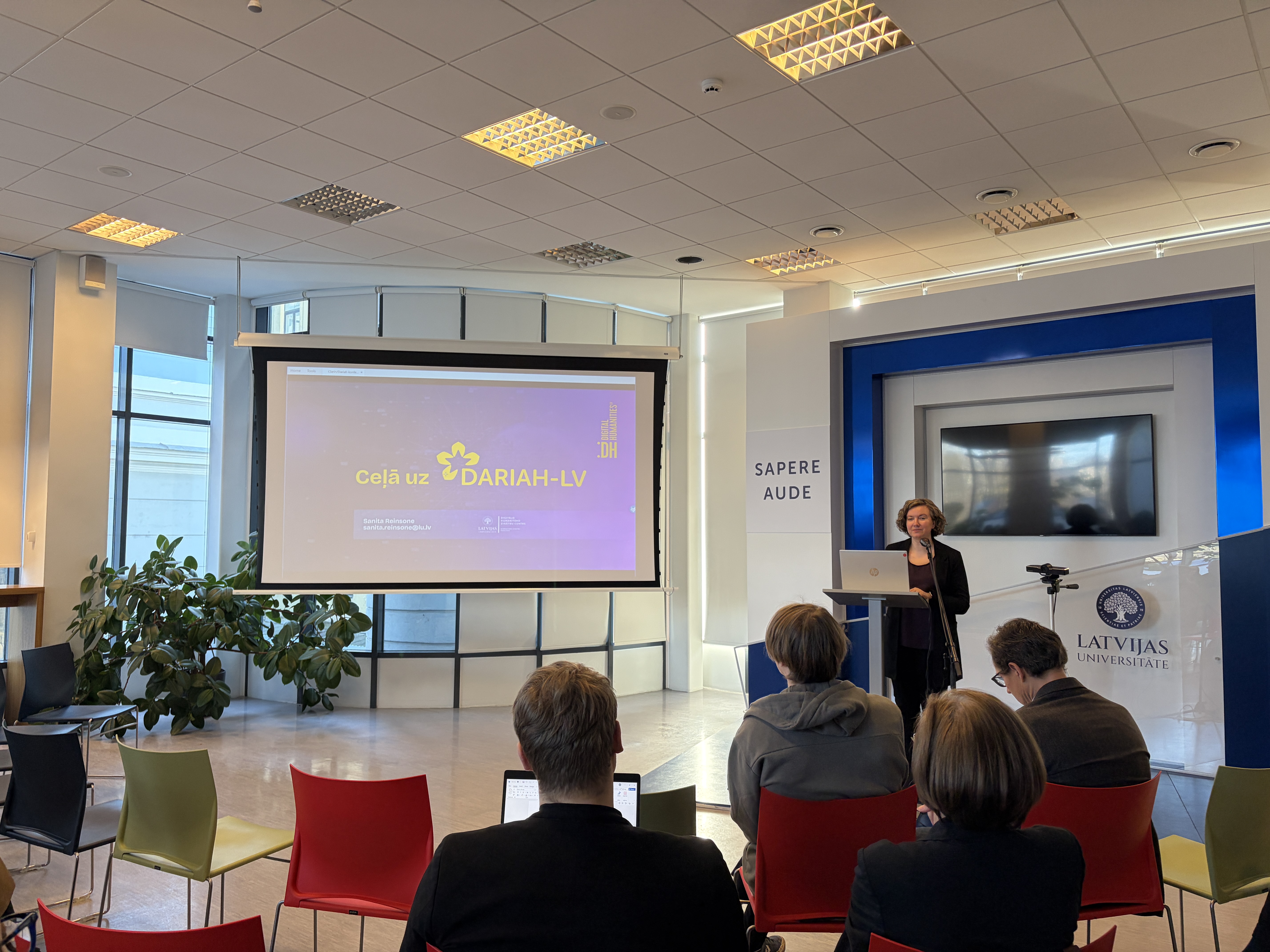
The conference participants particularly valued the demonstration session, which showcased newly developed tools and resources and illustrated their practical use in research. Demonstrations covered various digital tools and language resources, including the Latvian language morpheme and word formation database, the Norma corpus and technical formatting tool, the DataverseLV research data repository, resources for digitization and analysis of folk song texts and melodies, an image search tool from the Latvian State Archives of Audiovisual Documents, LATE speech transcription tool, AI tools for book cataloguing, the Historical Dictionary of Latvian Given Names and Livonian language digital resources.
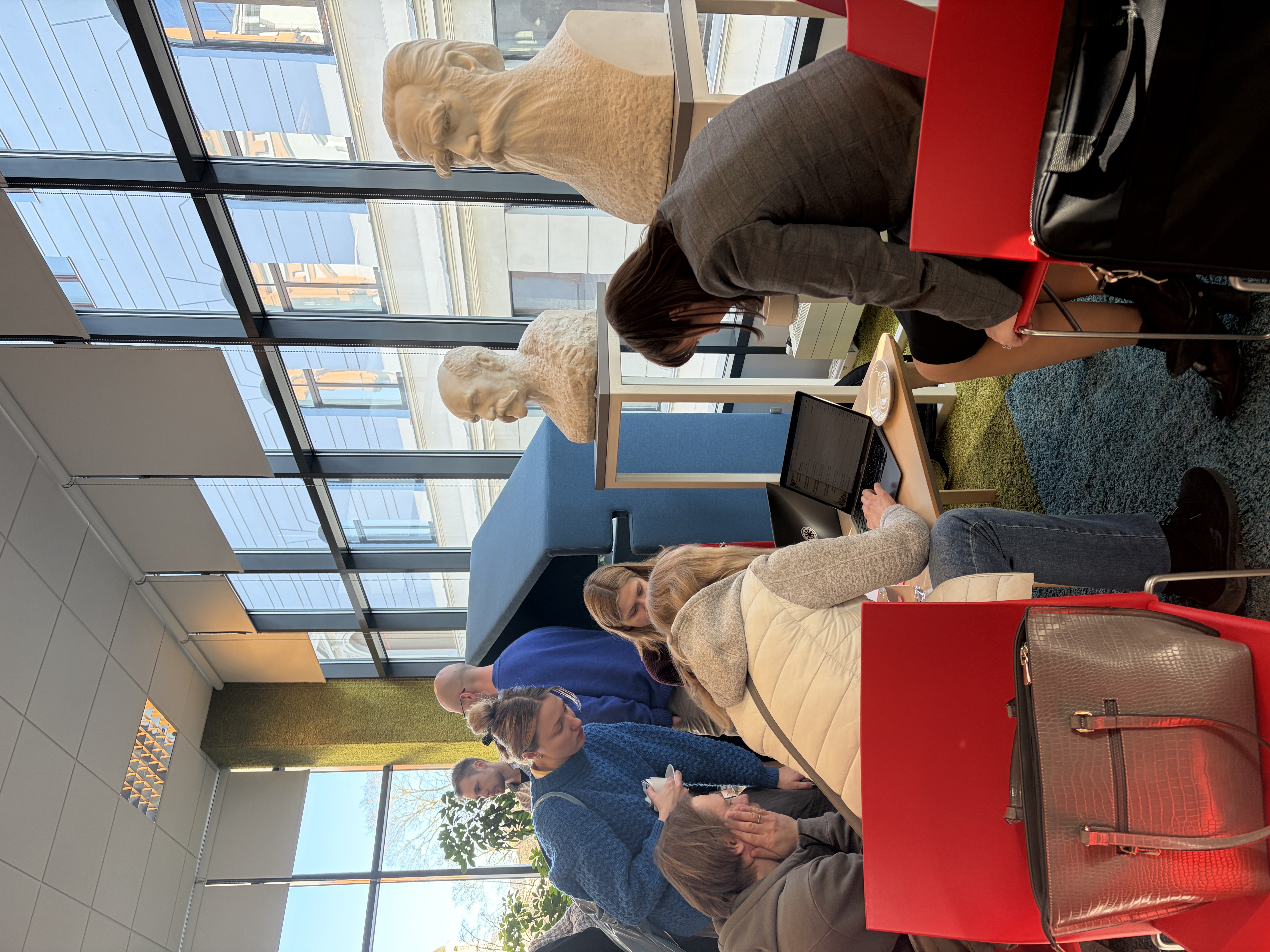
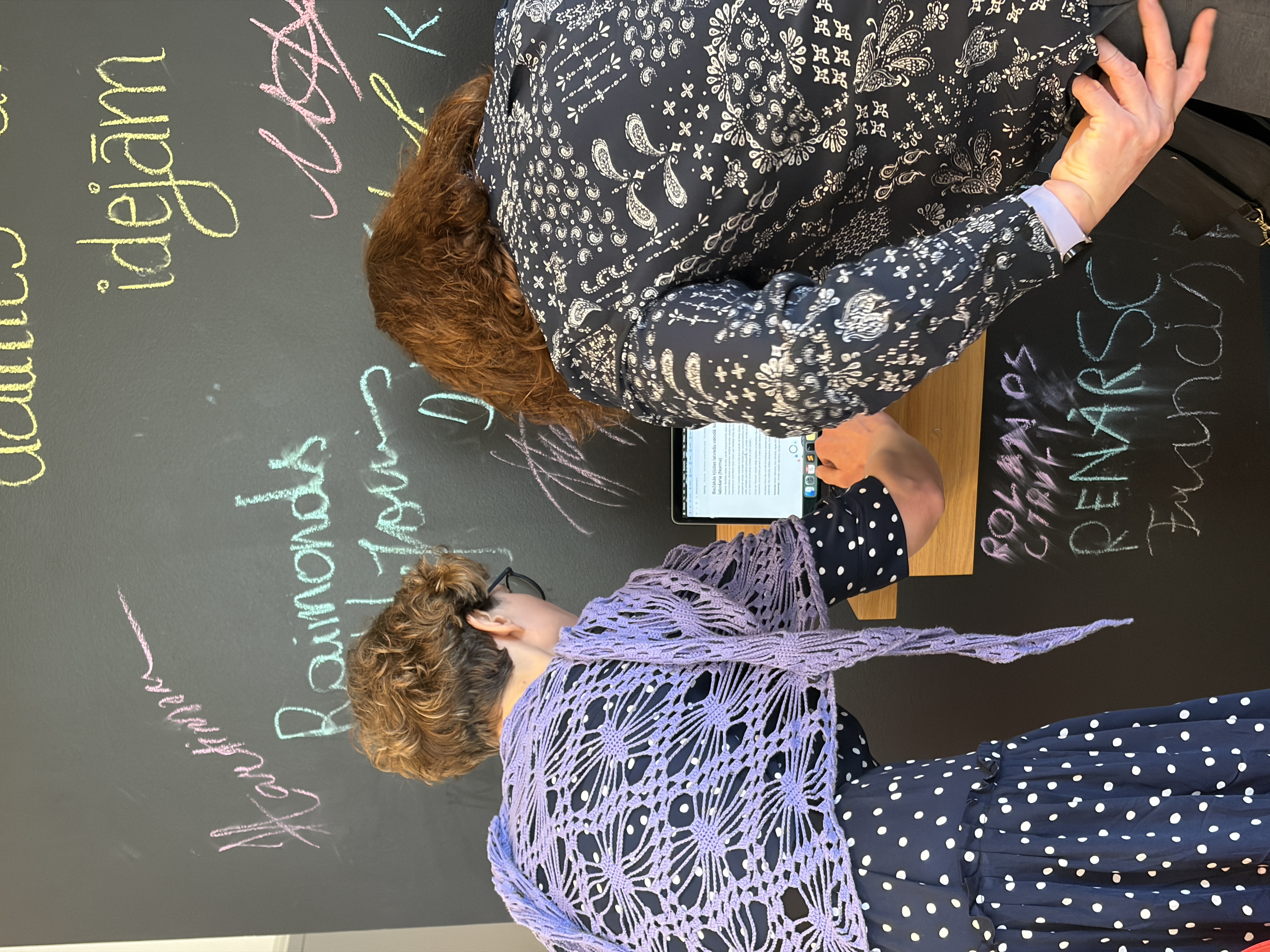
The conferences concluded with a panel discussion, “Humanities in the Age of AI: What Do We Expect from Infrastructures?” Speakers and participants highlighted practical needs, such as sustainable data storage and access to data, a shared ecosystem of tools, and closer cooperation between researchers, memory institutions and technology developers. The panel discussion clearly showed that in the AI era, the importance of research infrastructures is only increasing- enabling language resources, cultural heritage and research data to be usable, comparable and sustainable for both academia and society. Conference presentations are available here.
The 6th Baltic Summer School of Digital Humanities (BSSDH 2024) "Large Language Models and Small Languages" took place at Riga on July, 22-26. The summer school was supported by CLARIN ERIC.

Normunds Grūzītis and Artūrs Znotiņš presenting at the workshop "Creating and Analysing Multilingually Comparable Text Corpora"
The CLARIN ERIC supported keynote of Javier de la Rosa from the the Artificial Intelligence Lab at the National Library of Norway about the large language models and artificial intelligence at the National Library of Norway. This lecture demonstrated innovative applications of AI within the context of Norway's national repository of knowledge and cultural heritage, from enhancing cataloging to improving accessibility.
At the summer school CLARIN-LV team was responsible for workshop "Creating and Analysing Multilingually Comparable Text Corpora". During the workshop participants explored methods and pipelines for transforming an unstructured text collection into a grammatically annotated text corpus. The workshop emphasized the use of Universal Dependencies for uniform annotations, facilitating queries and linguistic analysis across multilingual corpora, such as ParlaMint.
The CLARIN Annual Conference took place in Barcelona from October 15 till October 17. 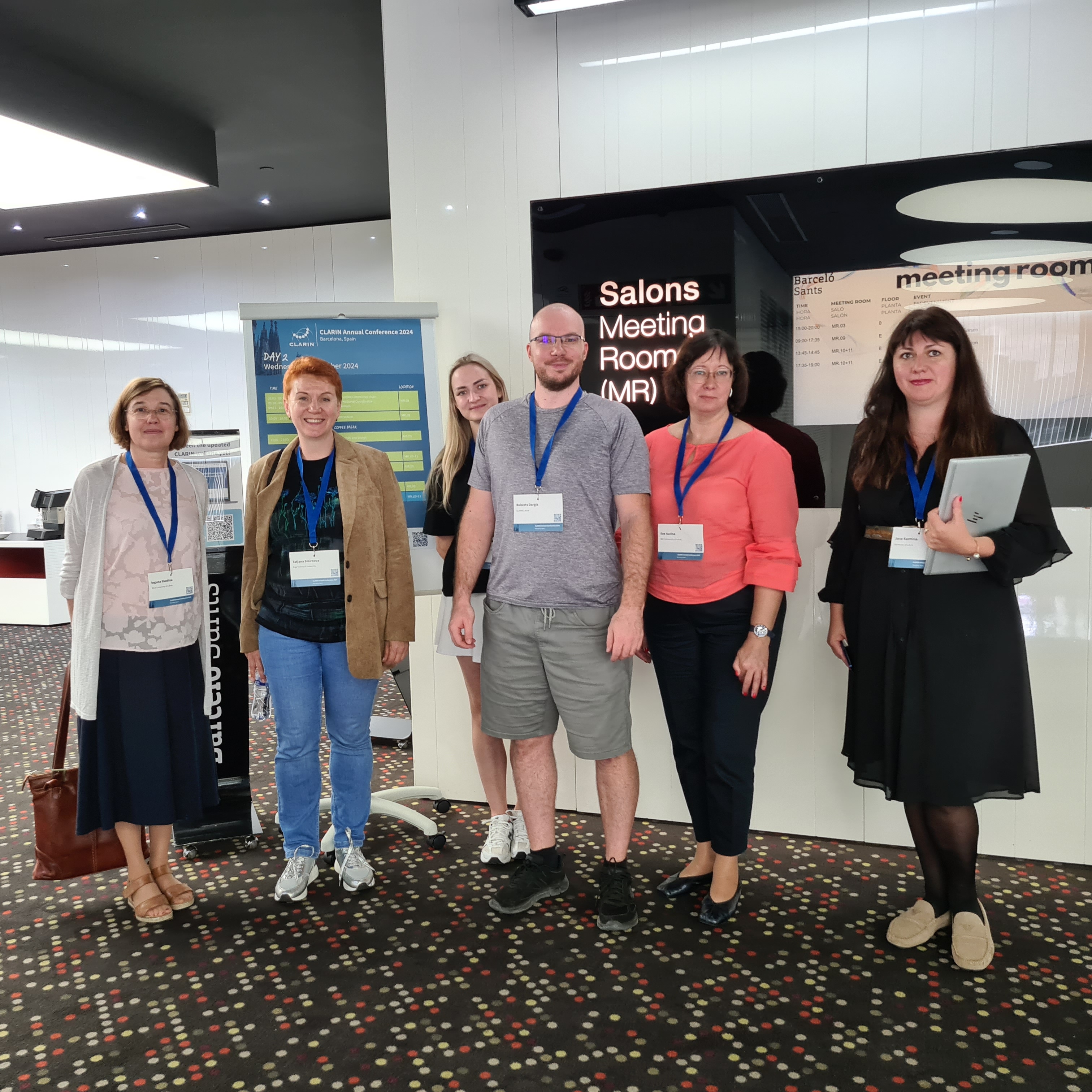
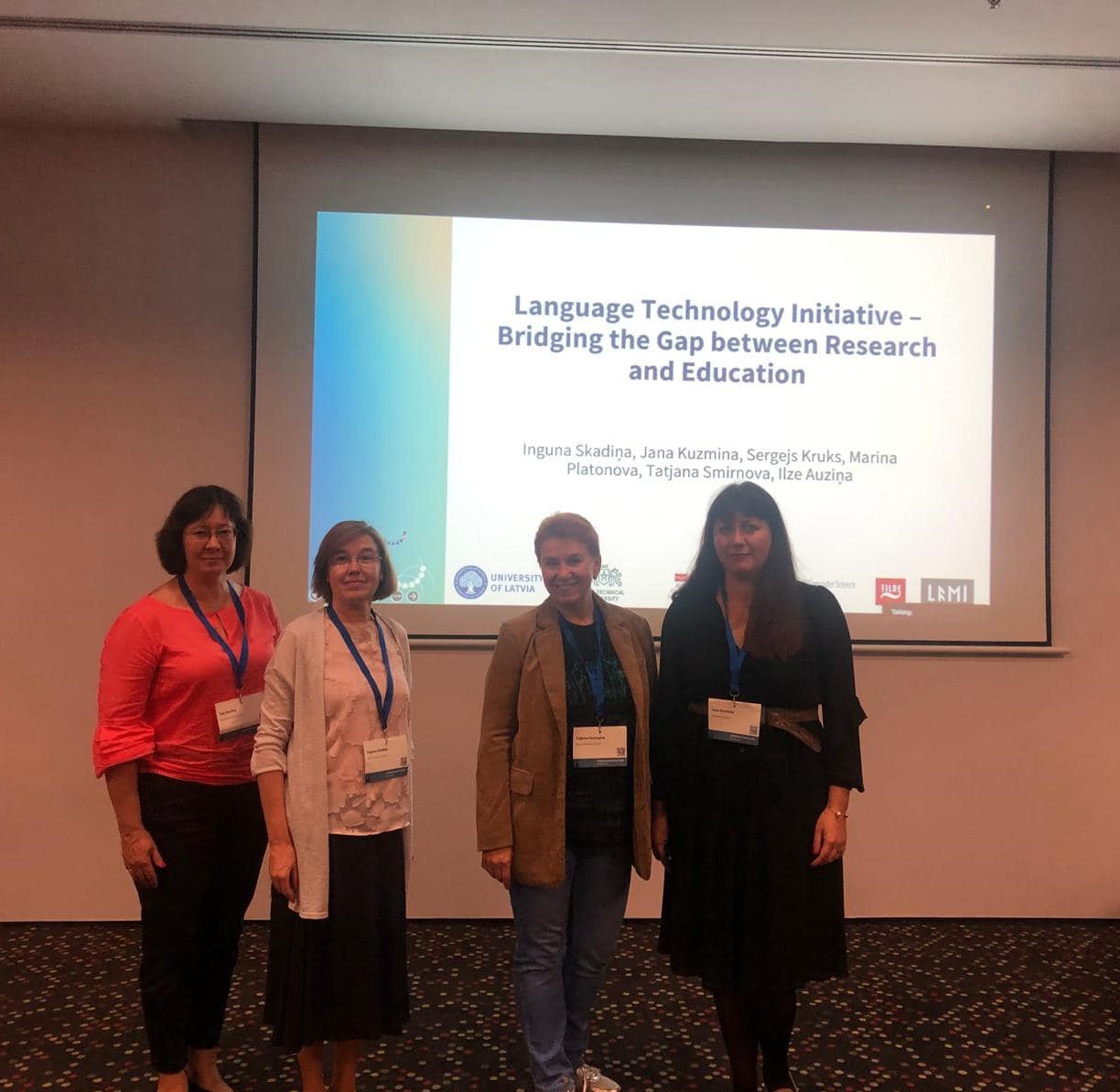
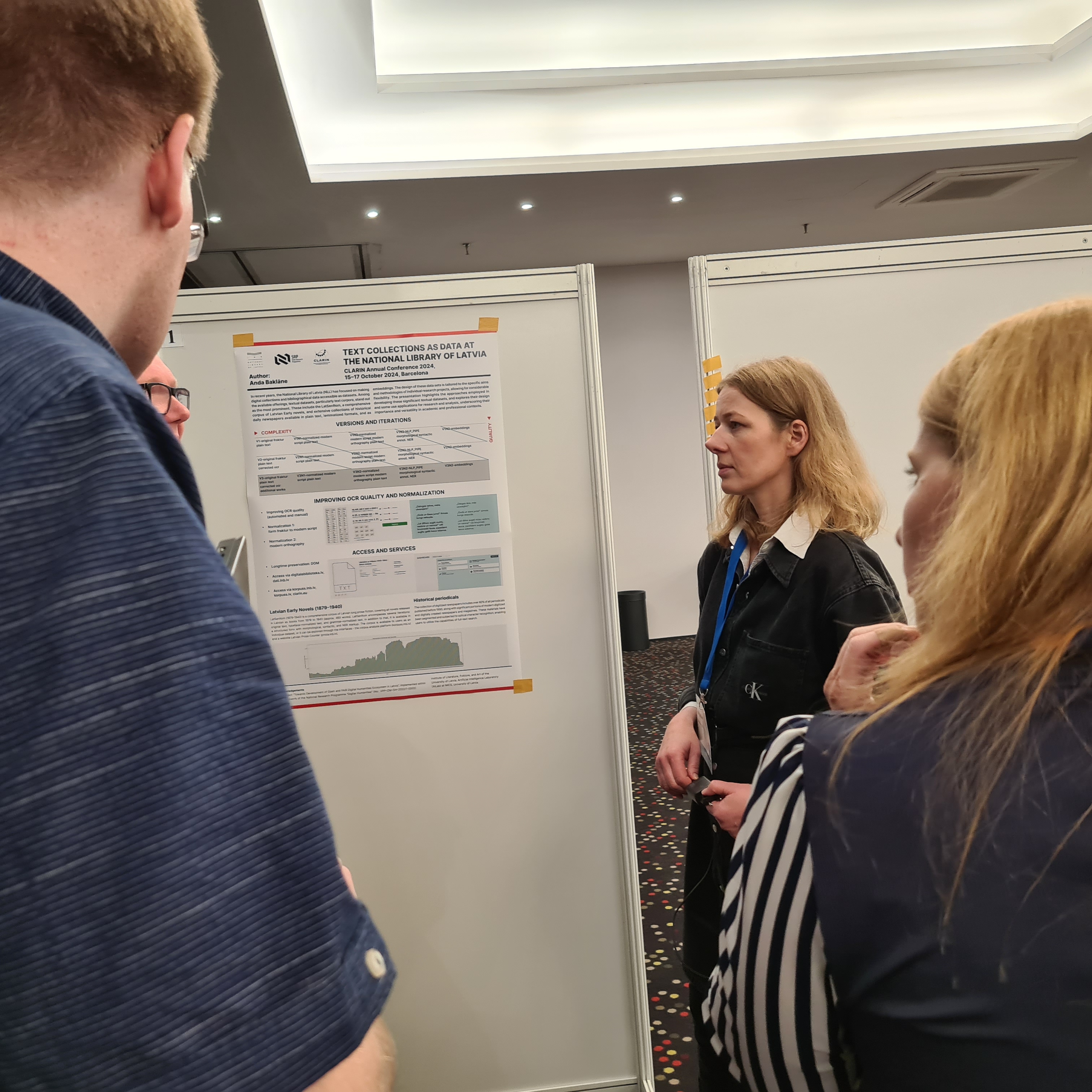
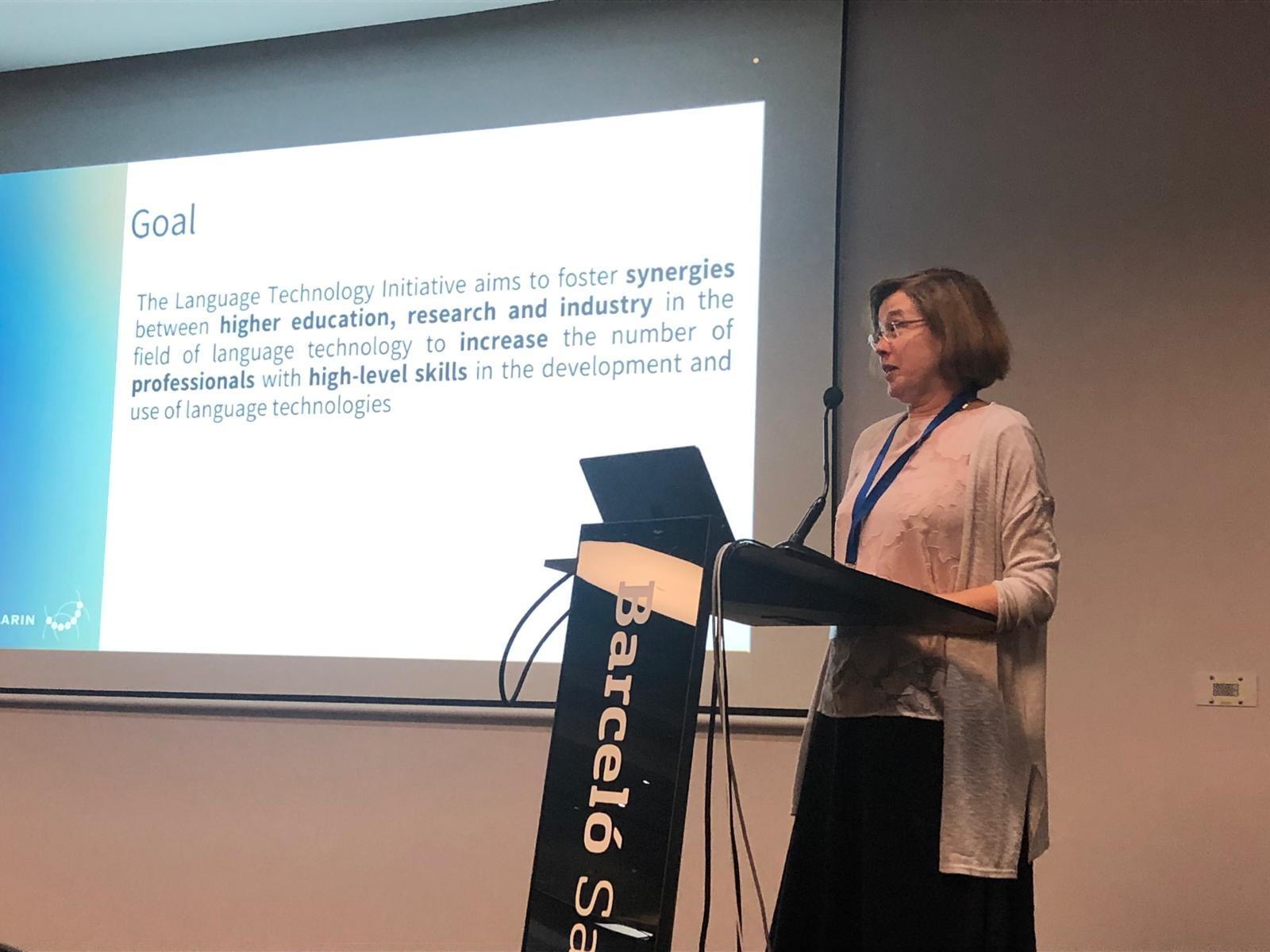
CLARIN2024 brought together more than 200 in-person participants and close to 150 online participants from the humanities and social science communities to exchange ideas and experiences with the CLARIN infrastructure. Several abstract presentations and posters from Latvia were included in the conference programme. The consortium of the Language Technology Initiative project presented the paper "Language Technology Initiative - Bridging the Gap between Research and Education" and Anda Baklāne from the National Library of Latvia presented the poster paper "Text collections as data at the National Library of Latvia", while Ieva Auziņa, PhD student of the University of Latvia, participated in the doctoral session year with a poster report "Grammatical relations and semantics of Latvian prepositions, adverbs and prefixes in connection with verb". The conference was followed by the workshop "Comparable and Interoperable Corpora", in which Roberts Darģis presented the corpus of summaries of doctoral theses Disertācijas, included in the CLARIN-LV repository. A collection of CLARIN 2024 conference abstracts can be found here.
The Baltic Digital Humanities Forum took place on April 25-26. The Forum started with the panel discussion Shaping Tomorrow: European Research Infrastructures in Humanities and the Role of National Policies, by invited speakers from the European infrastructures and the representatives from the ministries.
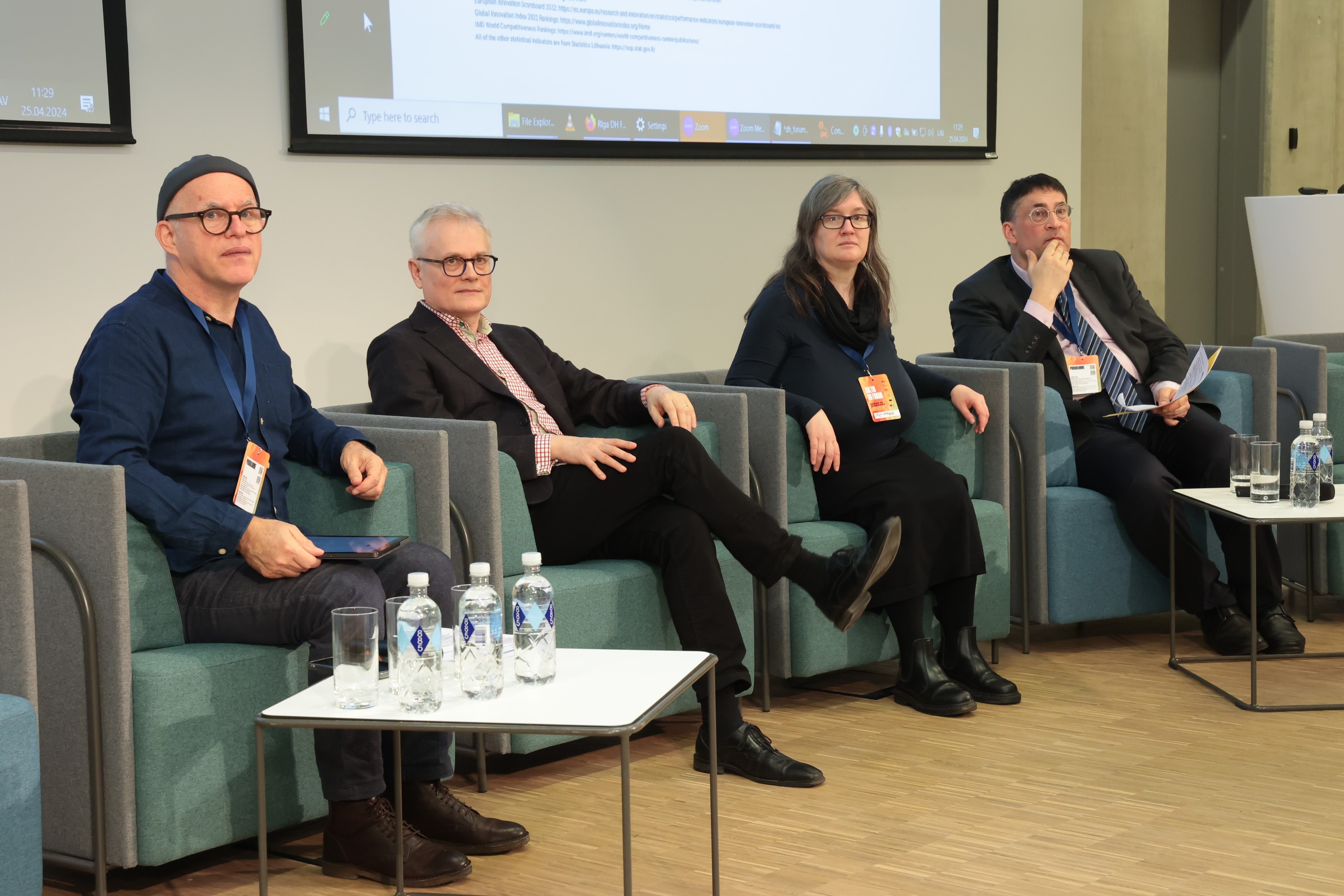
Krister Lindén (chair of CLARIN National Coordinator Forum) at the panel introduced to the CLARIN and its offer and role in Digital Humanities.
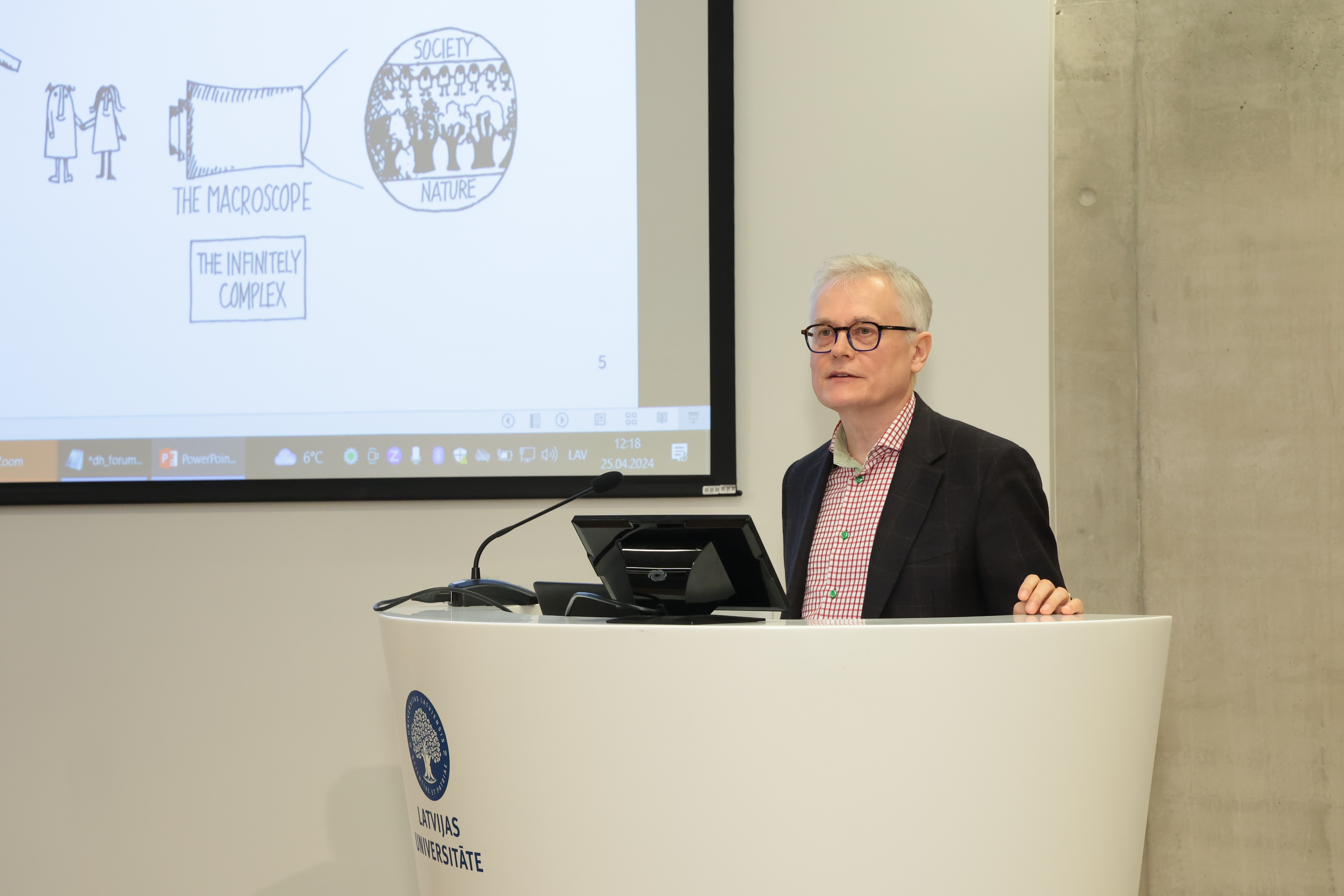
Krister Lindén introduces CLARIN ERIC (Photos by Jānis Brencis)
The second day started with panel discussion "Language Technology in Higher Education: Future Directions and Collaboration", followed by two poster sessions providing an opportunity to present DH projects, showcase developed digital resources and tools, and introduce educational initiatives. Poster presentations from this day are available here.
Page 2 of 7