


The CLARIN annual conference (CLARIN 2026) took place in Brighton from September 29 to October 1. 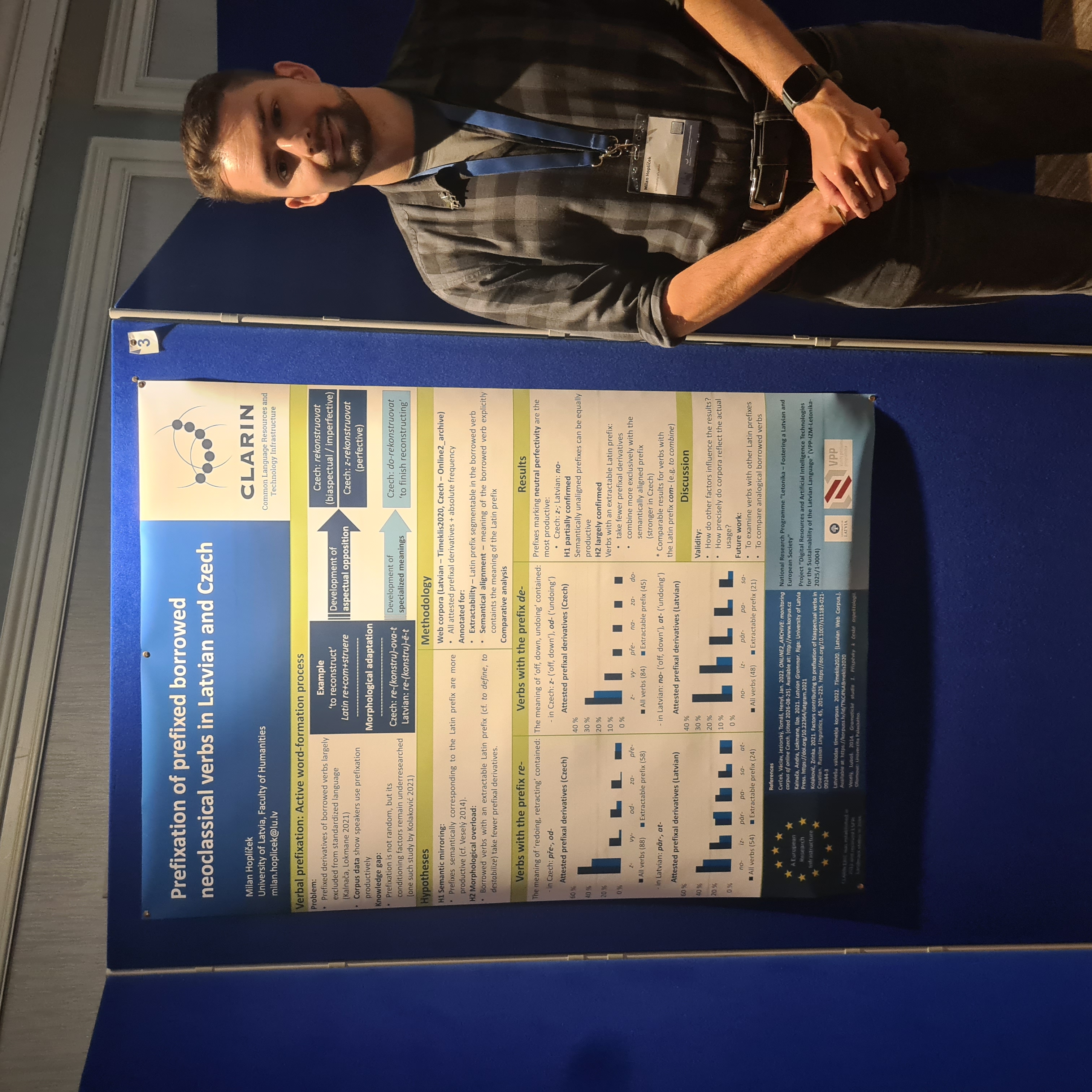
CLARIN2026 is organised for the wider humanities and social sciences communities in order to exchange ideas and experiences within the CLARIN infrastructure. This includes the design, construction and operation of the CLARIN infrastructure, the data, tools and services that it contains or for which there is a need, its actual use by researchers and teachers, its relation to other infrastructures and projects, and the CLARIN Knowledge Infrastructure. The conference brought together over 200 participants from all CLARIN member countries, as well as researchers from several countries, such as Australia, India, Romania and Ukraine, that are planing to join CLARIN ERIC.
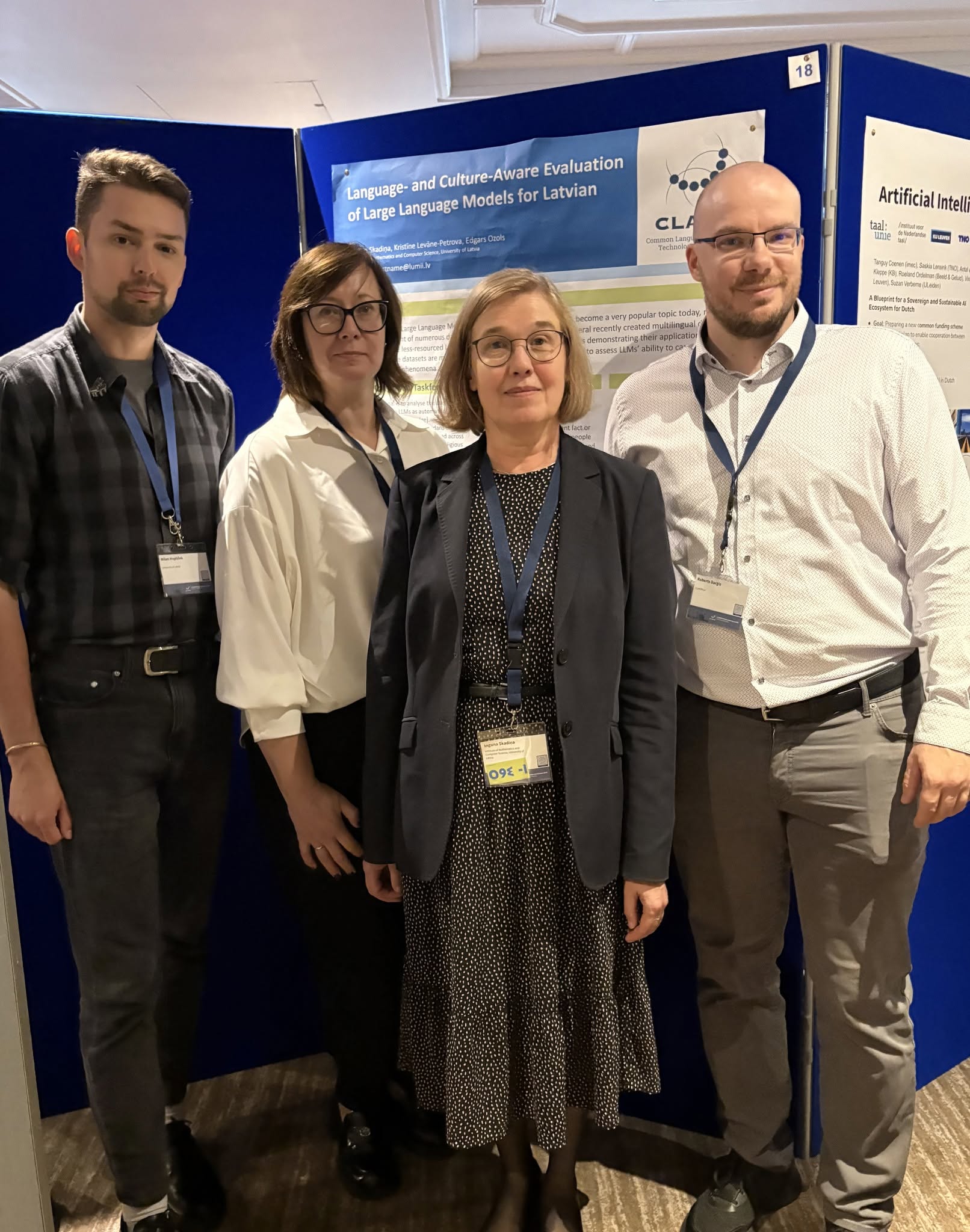
The extensive conference program was complemented by a number of workshops. Before the conference, the PresMint project workshop brought together researchers working on the creation of a multilingual corpus of historical newspapers. After the conference, two additional workshops took place: one on Large Language Models in CLARIN, and a DSpace workshop. During the doctoral session of the conference, Milan Hoplíček —a doctoral student from the Faculty of Humanities at the University of Latvia —presented his research on the Prefixation of prefixed borrowed neoclassical verbs in Latvian and Czech. at the CLARIN Bazaar Inguna Skadiņa, a lead researcher at the Institute of Mathematics and Computer Science of the University of Latvia, introduced to several Latvian and multilingual datasets for LLM benchmarking. The book of abstracts of the CLARIN 2026 conference has been published on Zenodo.
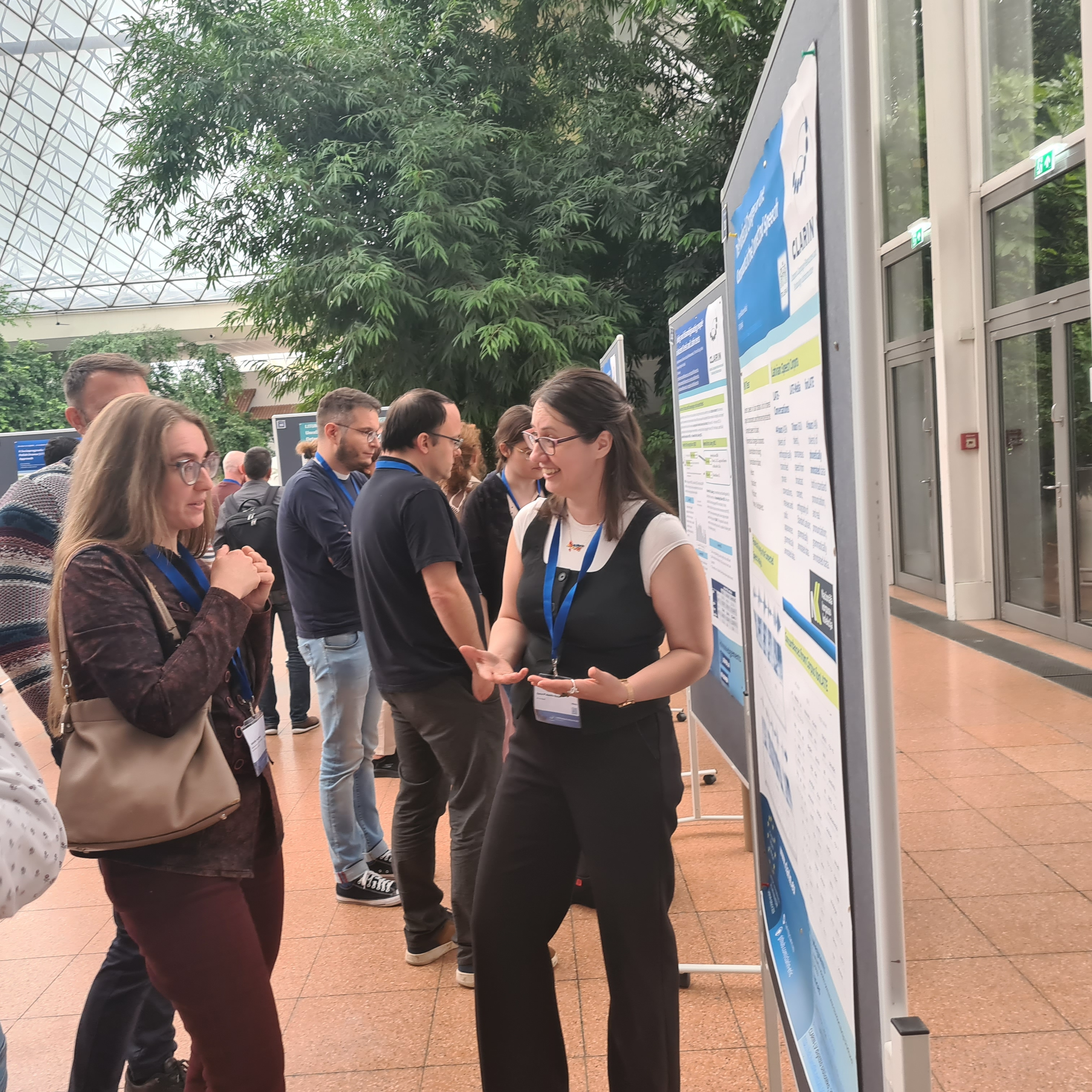
One of CLARIN's priorities is to support the young researchers. CLARIN develops teaching materials and supports participation of PhD students in CLARIN conferences and other community activities. To showcase doctoral research that makes use of CLARIN language resources and tools, this year's Tour de CLARIN features Young Scholars Special Edition. The latest issue includes an interview with RTU Liepāja doctoral student Guna Rābante-Buša.
In the interview, Guna Rābante-Buša discusses her research on Latvian speech and phonetics, with a particular focus on creating high-quality speech corpora and language resources. For research Guna uses several Latvian speech corpora, including LATE-conversational, LATE-media, the phonetically annotated corpus fonLATE, and BalsuTalka. She explains that reliable speech datasets are essential not only for linguistic research but also for development of modern speech technologies such as automatic speech recognition and speech synthesis. The interview also highlights the challenges of working with a less-resourced language such as Latvian.
The interview further emphasizes the importance of interdisciplinary collaboration between linguists, engineers, and computer scientists. CLARIN plays a key role in this process by providing infrastructure that enables language resources to be shared, accessed, and reused by the international research community.
Finally, Guna Rābante-Buša encourages young researchers to combine expertise in linguistics with digital technologies. She believes that the future of language research lies in interdisciplinary work and in developing open, FAIR language resources that can benefit both the scientific community and society through improved language technologies.
On April 21–22, 2026, an international workshop organized by CLARIN ERIC CLARIN in University Curricula took place in Utrecht (Netherlands). The seminar brought together university teachers, researchers, and CLARIN national representatives from the different European countries. CLARIN-LV was represented at the workshop by Ilze Auziņa, a senior researcher at the Institute of Mathematics and Computer Science at the University of Latvia.
The workshop continued the strategic process initiated at the CLARIN@Universities workshop in 2019 and further discussed during the CLARIN Cafés: How to use CLARIN in (online) Higher Education (2020) and Towards guidelines for integrating CLARIN into Teaching – Lessons Learnt from UPSKILLS (2021). The workshop focused particularly on collaboration between national CLARIN consortia and CLARIN ERIC to strengthen CLARIN’s visibility at universities and develop solutions tailored to educational needs. Key topics included curriculum development, research data management, data citation, challenges related to artificial intelligence and large language models, as well as practical strategies for sustainable integration.
Within the working group activities the seminar participants discussed how CLARIN resources, tools and services can support the study process in fields such as linguistics, digital humanities, language technologies, as well as social sciences, history and literary studies, shared experience stories on integrating CLARIN resources and tools into the learning process and discussed the development of joint, reusable and add-on materials.
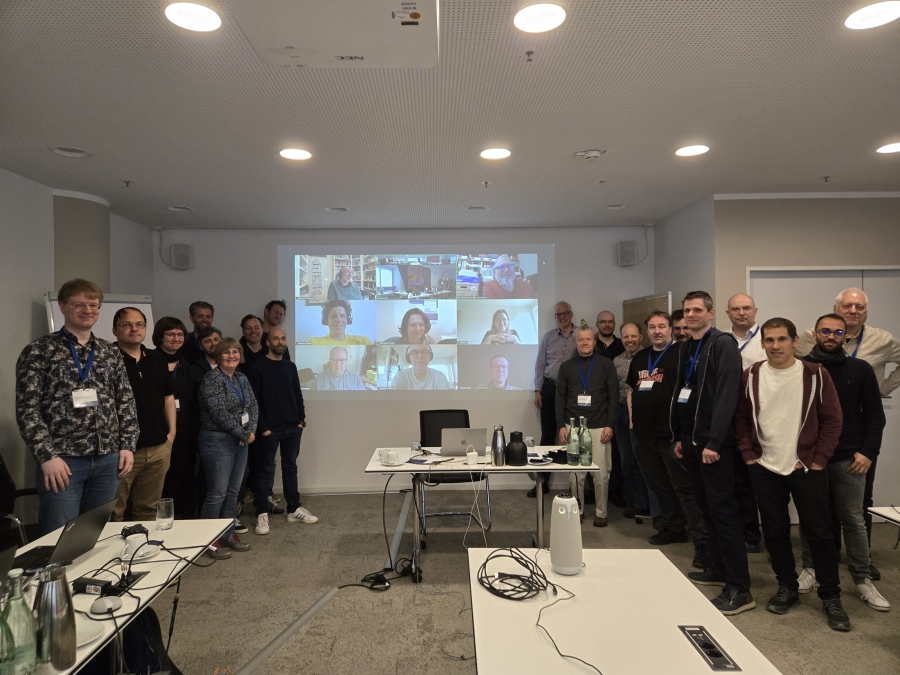
On 19 and 20 May, the annual Centre Meeting organized by CLARIN ERIC took place in Frankfurt in a hybrid format, gathering everyone involved in setting up and hosting CLARIN centres. The main focus of the meeting was to discuss the latest updates in technical infrastructure, with special attention dedicated to the development of CLARIN repositories and tools, security solutions, as well as the role of artificial intelligence and Large Language Models in resource searching and query generation.
The meeting also featured a Technical Centres Committee session, alongside several presentation slots and lightning talks. In these sessions, member state representatives discussed a common citation framework, DDoS mitigation and the use of Cloudflare, the new AAI proxy setup, and FAIR assessments, while also sharing experiences on "vibe coding" and upcoming DSpace versions.
On 11 -12 February, the Strategy Days organized by CLARIN ERIC took place in Athens. 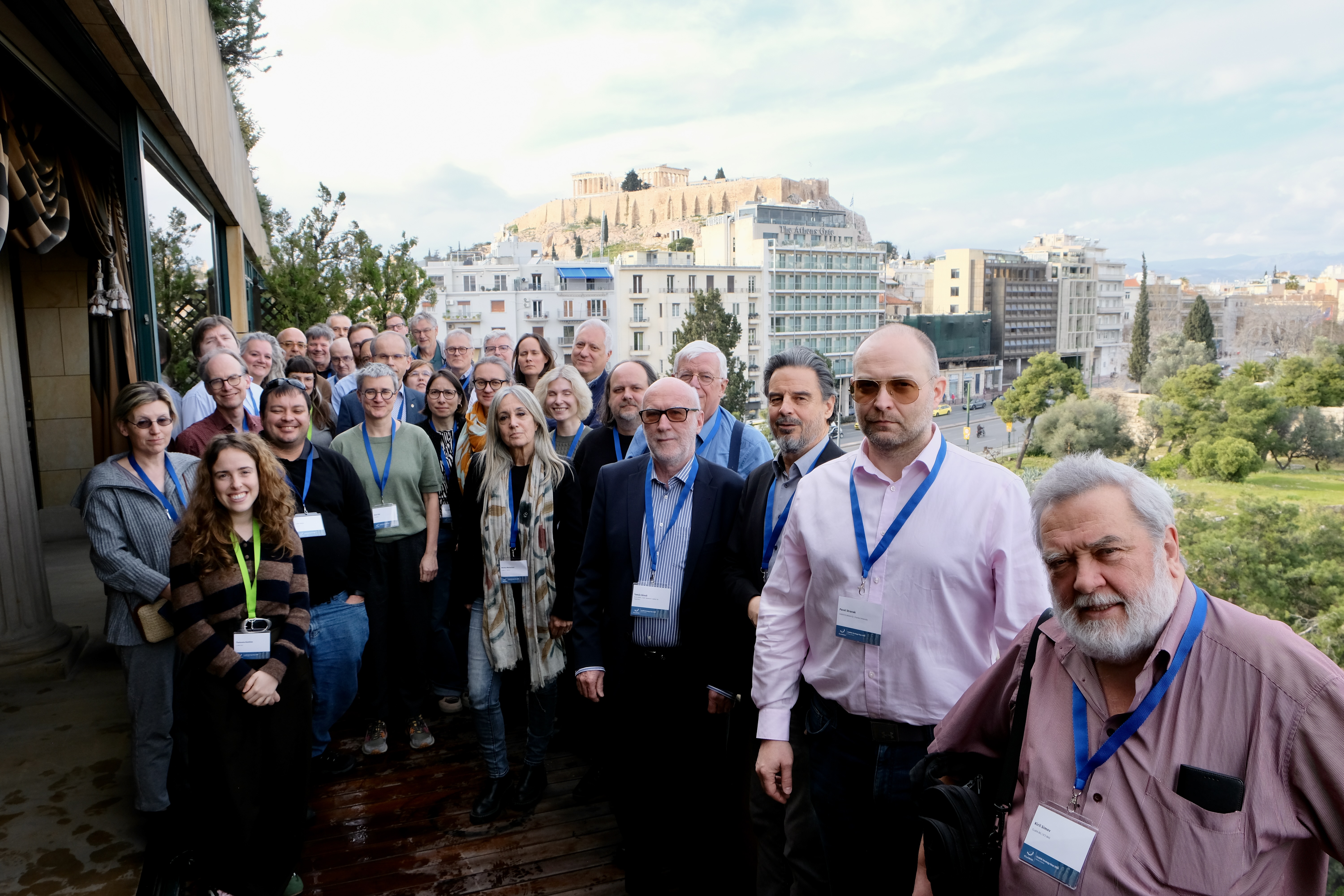
The main objective of this two-day meeting was to define CLARIN’s strategic goals for the next five years across CLARIN focus areas - users, language resources and tools, technical infrastructure and overall governance. Special attention was given to artificial intelligence and how CLARIN can further strengthen its role as a trusted repository of language data and a knowledge hub for user support.
During the Strategy Days, the National Coordinator Forum (NCF)meeting also took place. At this meeting, national coordinators exchanged updates on major activities in the Member States and the CLARIN Board of Directors presented CLARIN ERIC’s recent achievements and outlined plans for the future. During this meeting national coordinators also discussed best ways to align national CLARIN activities and plans with the overall strategy of CLARIN ERIC.
Page 1 of 7